BLOG
UN 57th Session of the Commission for Social Development Part 3 - Pradip and Rashmi's experience
Arriving in New York over the weekend before the first day of the UN 57th Session was exciting and we were rearing to go with an open mind wanting to listen, meet and greet new people that can help our organisation forward our agenda on helping people with disabilities.
Arriving in New York over the weekend before the first day of the UN 57th Session was exciting and we were rearing to go with an open mind wanting to listen, meet and greet new people that can help our organisation forward our agenda on helping people with disabilities. We had all our documentations ready for the week to begin.
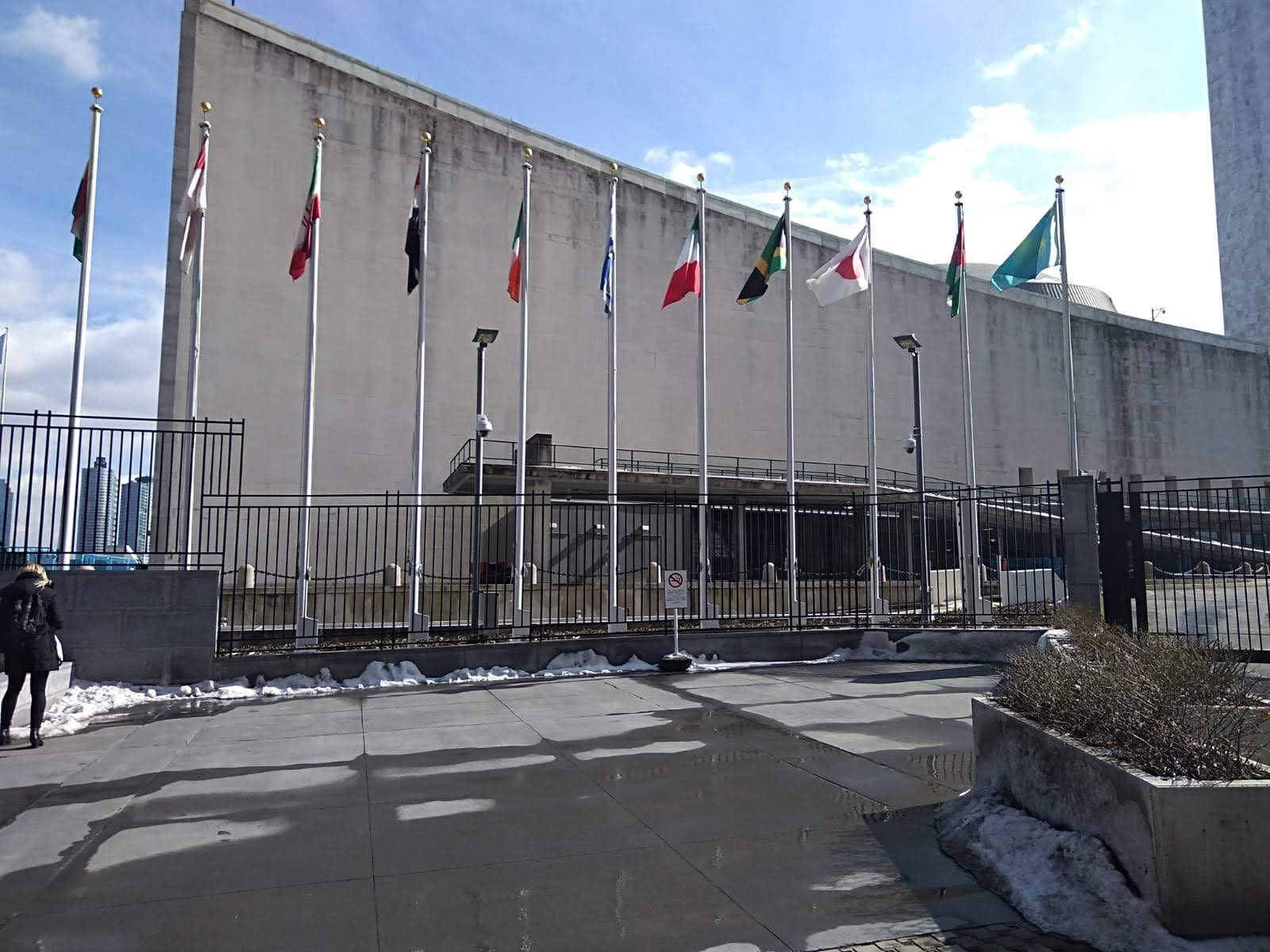
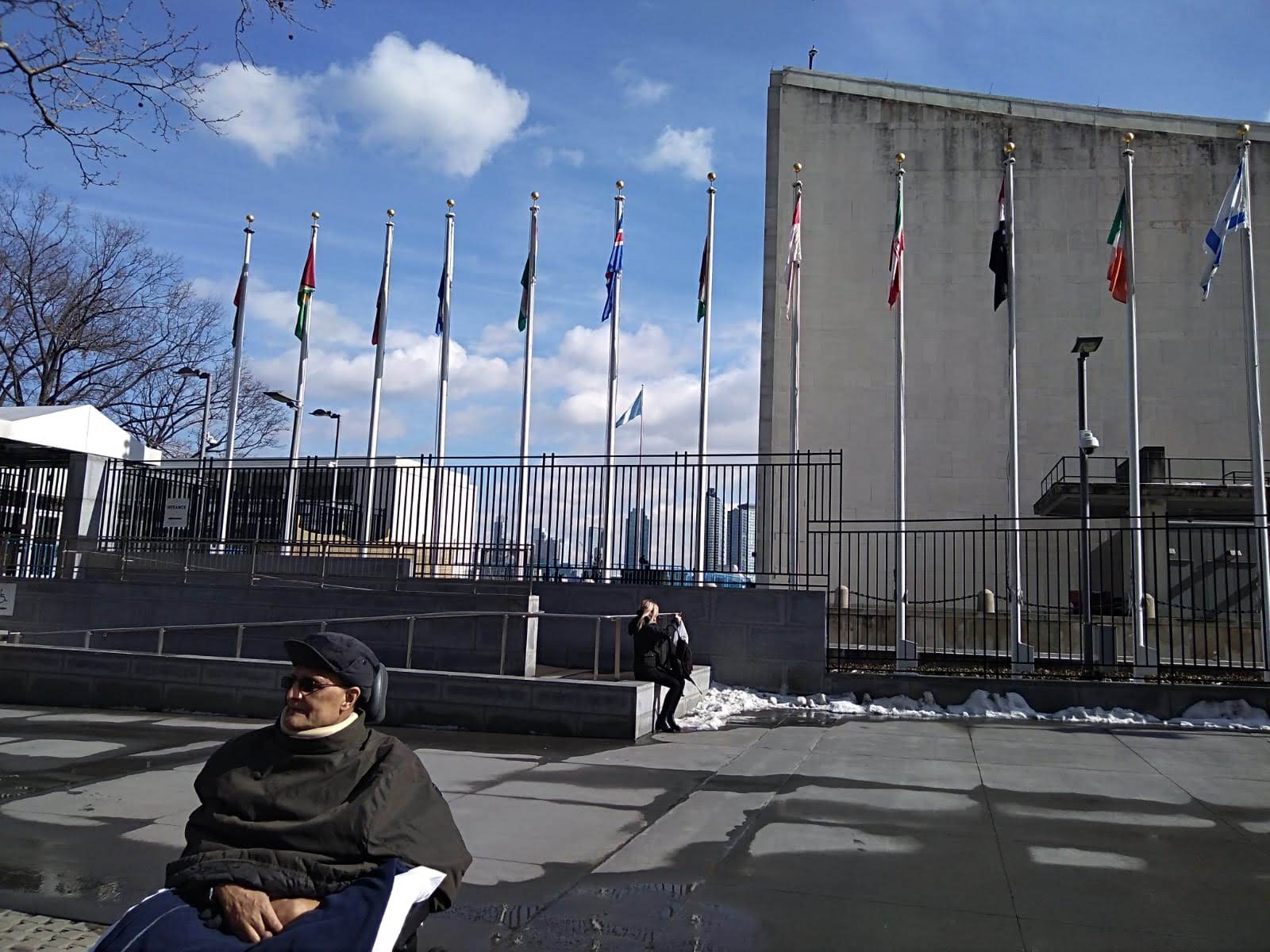
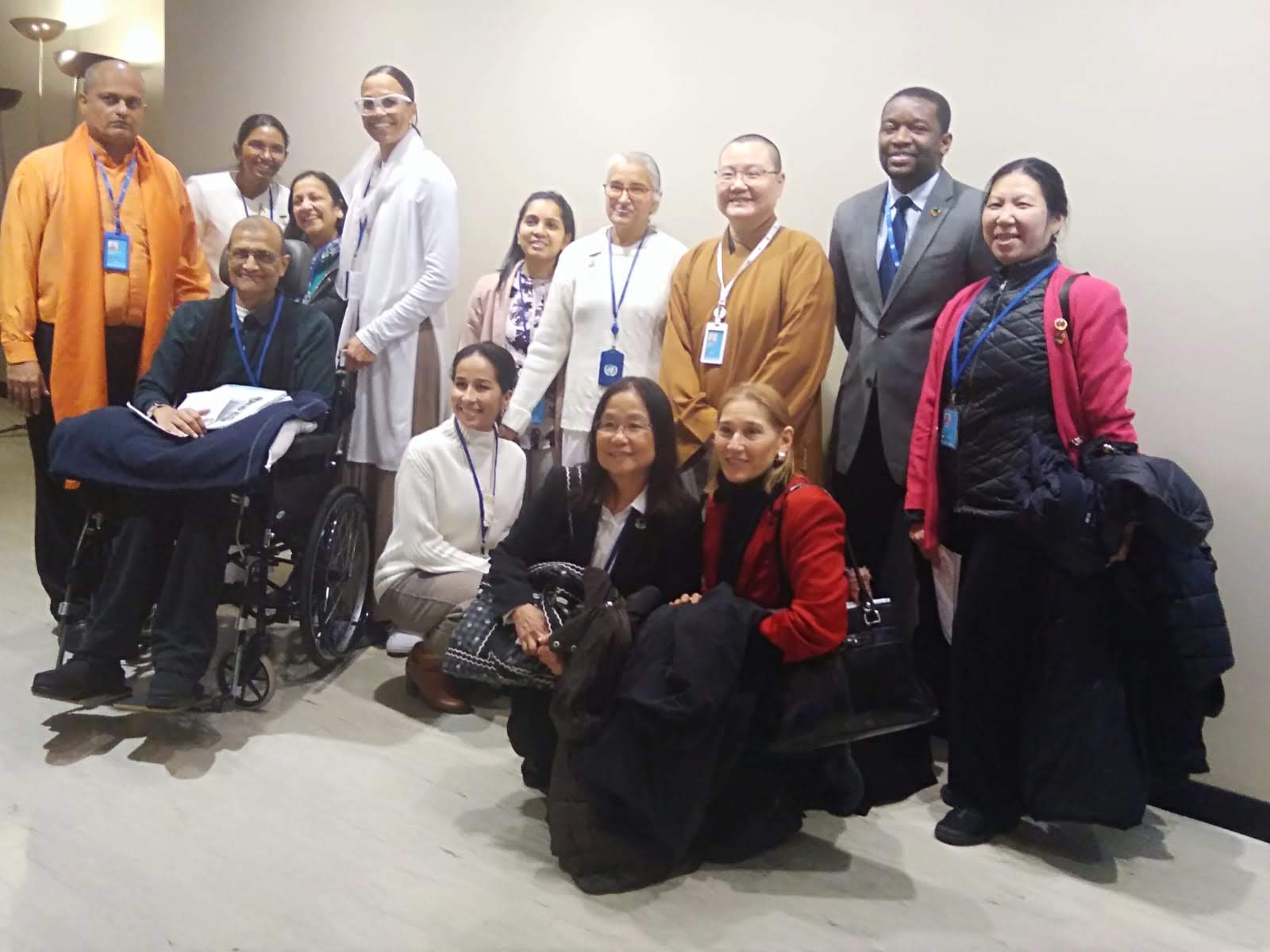
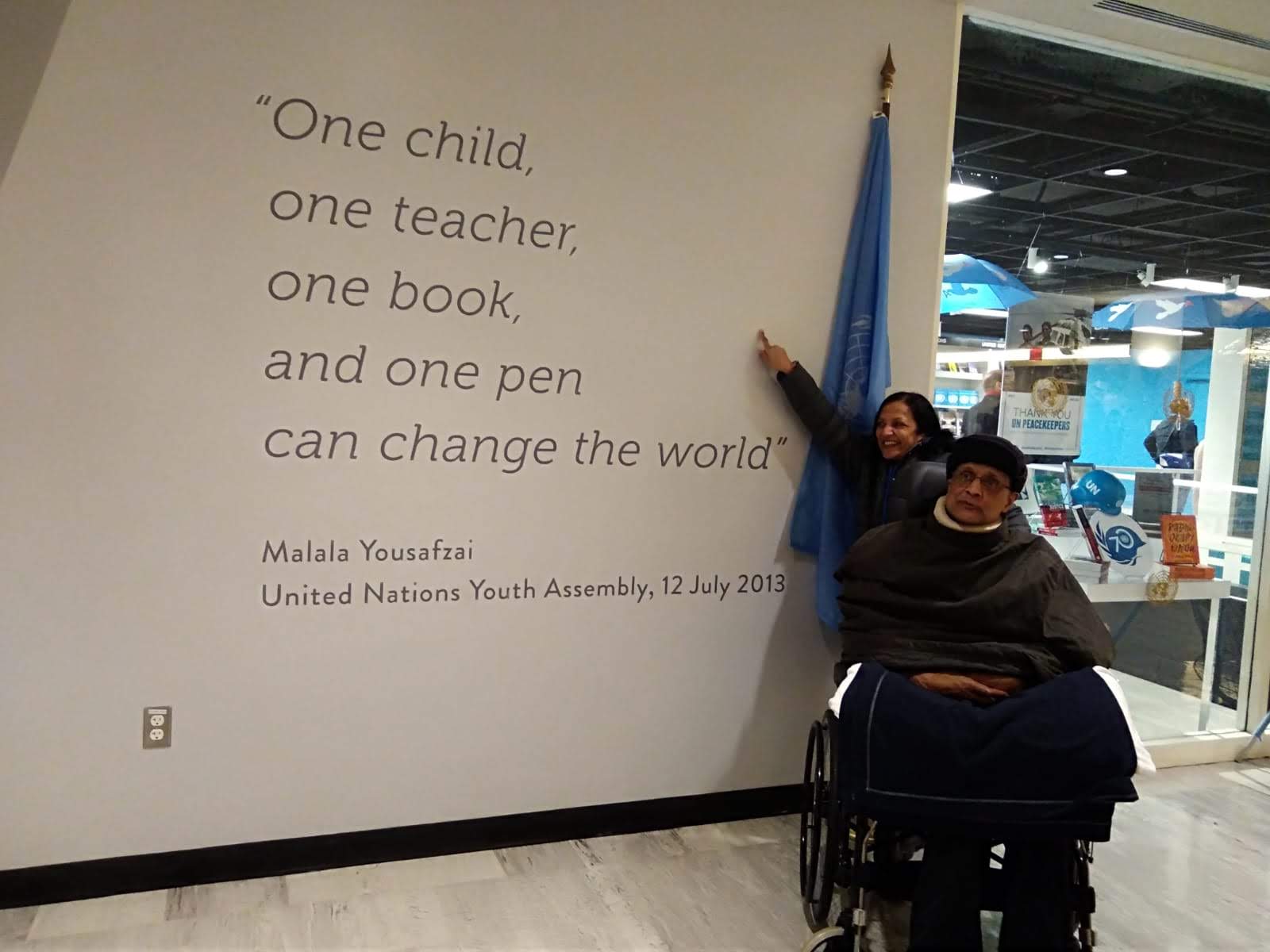
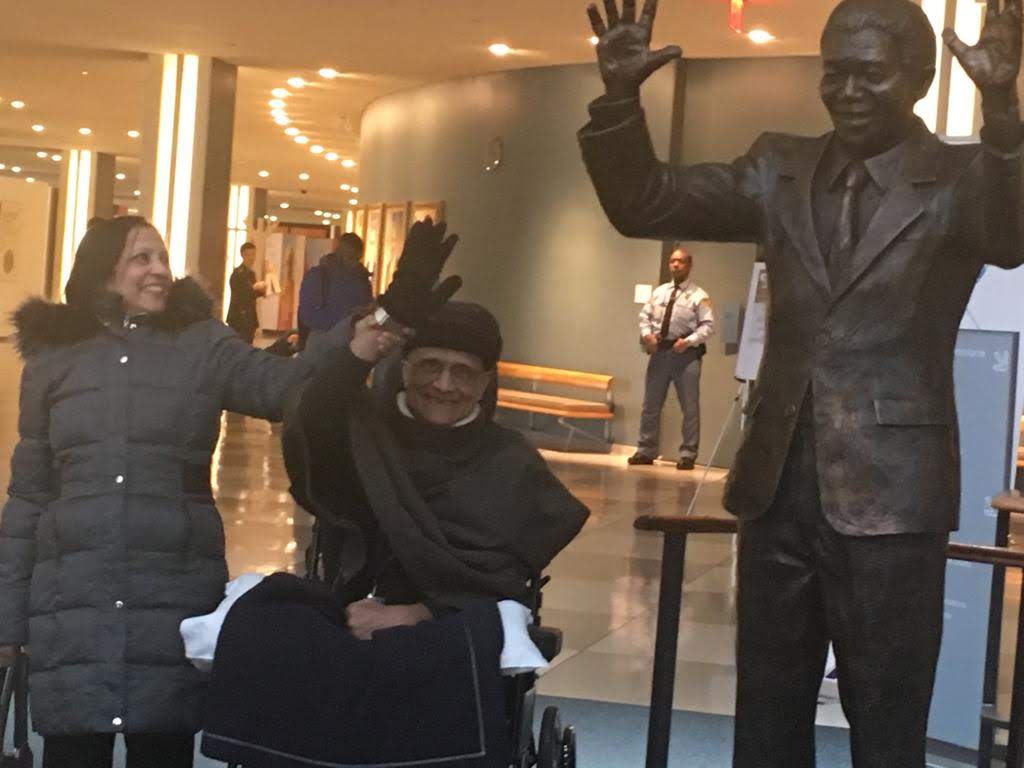
Monday morning on 11th February 2019, it was bitterly cold, the floor was icy from the previous snow storm. We managed to take pictures outside of the UN headquarters (see below). We collected our passes at the front door and walked through without any problems, once we got in and was escorted to our seats the headphones were not long enough to reach me (Pradip) so they had to search for one immediately this was rectified even though we had emailed them and informed them a few weeks before about his access needs.
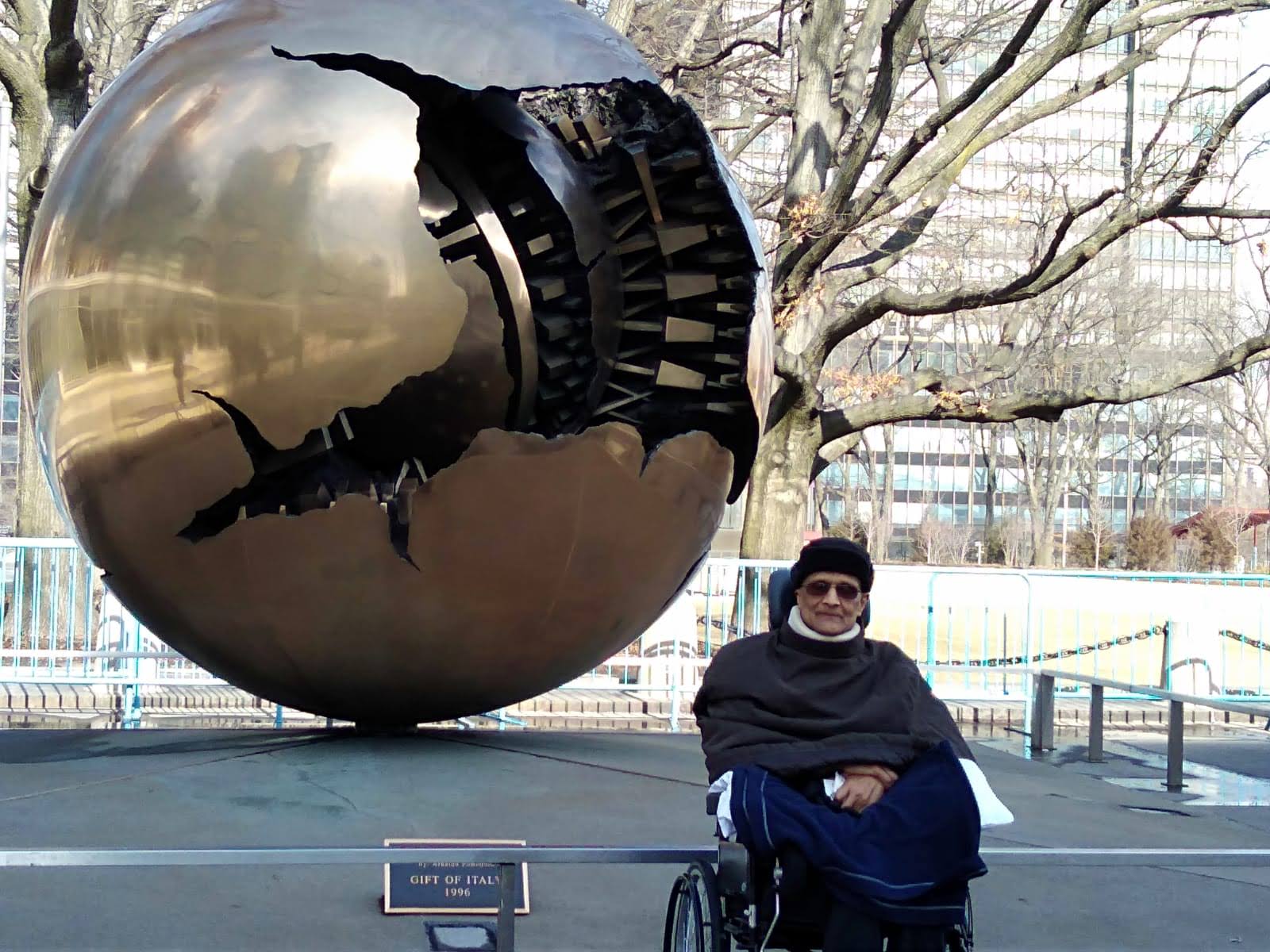
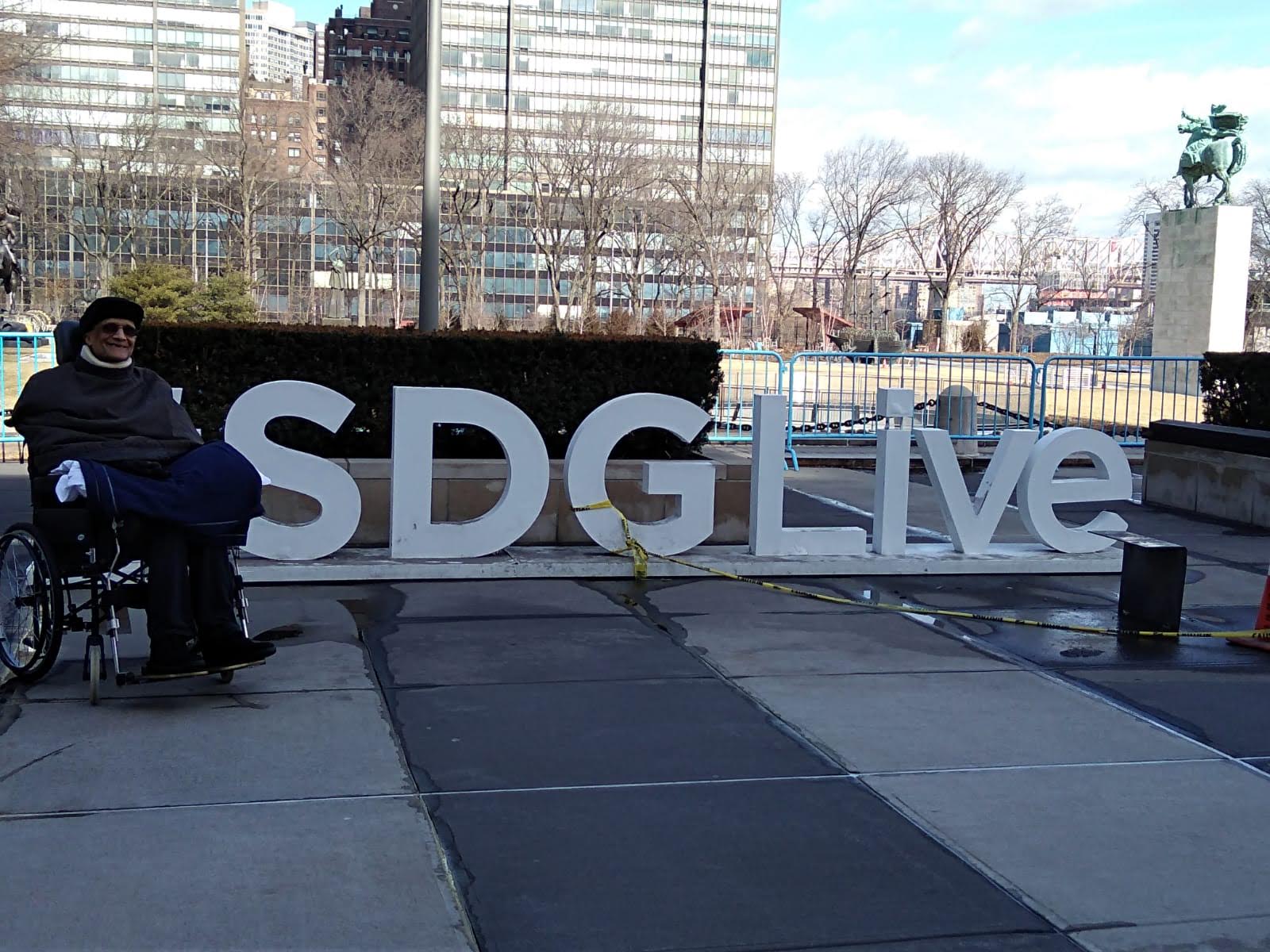
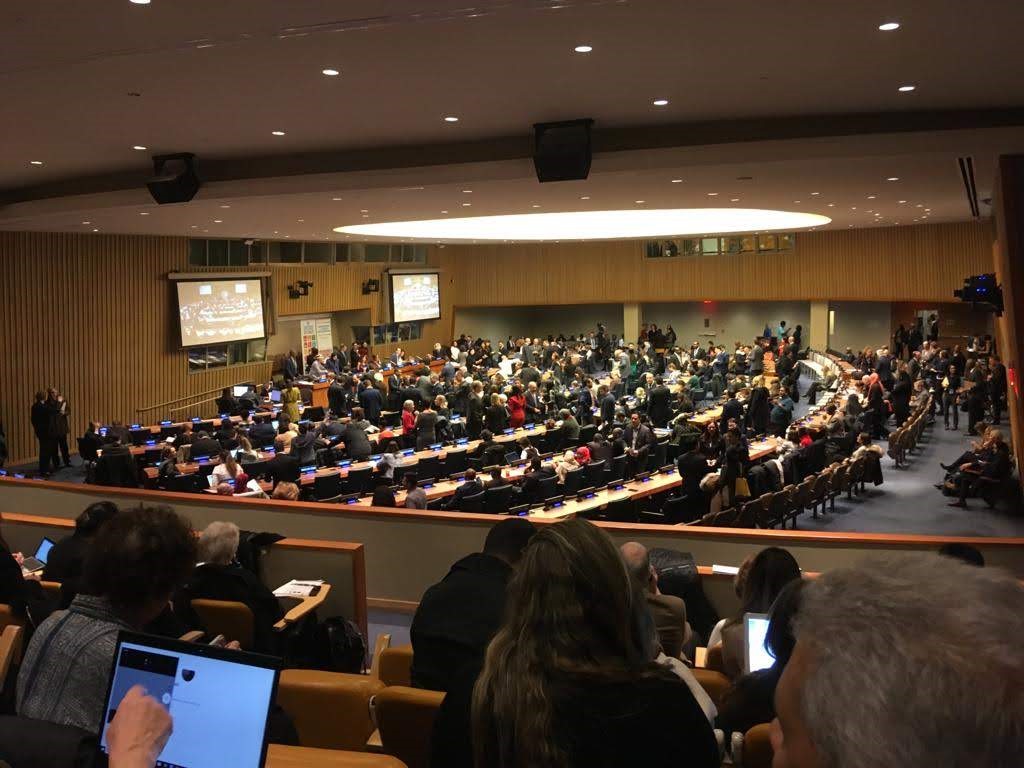
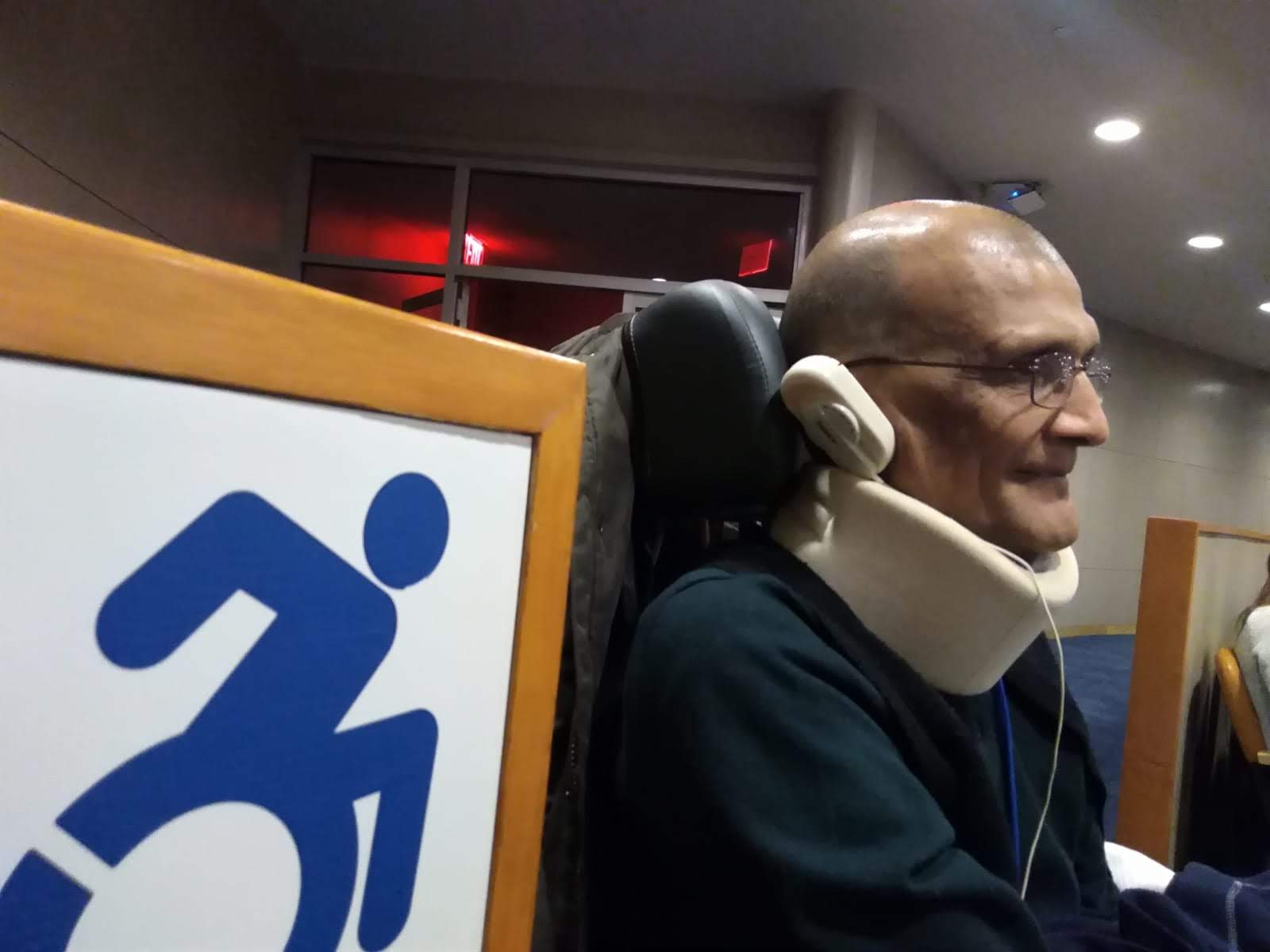
We attended many side events over the 2 weeks which broaden our minds. Below is a list of side events we attended for the first week.
1. Homelessness: A prominent Sign of Social Inequalities – each country spoke about their issues on homelessness and what they are doing to tackle the problem.
2. Family Policies and their Contribution to the Achievement
3. The importance of Family Stability to Achieve Sustainable Development
4. The Doha Briefing to Present the Civil Society Statement on Parenting
5. Is Target 5.4 a Utopia?
6. Social Protection as a Strategy to Addressing Inequalities and Challenges to Social Inclusion.
7. Social Protection to Reduce Inequalities and Enhance Social Inclusion in Countries Affected by Conflict
8. Addressing Social Inequalities through Non-Humanitarian Aids: Turkey’s Social Support to less Developed Communities
9. 1. To Survive and Thrive for New Digital Reality: Threats and Answers, Decision and Practices – how disabled people survive in the digital world and become independent. The organisation YAI International providing assistance to organization…
10. Accountability Dimension: Social Protecton as a Tool for the Reduction of Inequalities
11. Innovations for Inequality Reducing Social Protection Policies in Europe and Africa
12. Inclusive education for children and young people with disabilities – young people tend to get side lined so we need to include them into mainstream society.
13. Towards Family Sensitive Social Proection
14. Building Effective Social Accountability Mechanisms at the Local Level to Ensure Social Protection
15. A Human Dignity and Faith Perspective Addressing Inequalities and Challenges to Social Inclusion for Those Imprisoned in our Global Criminal Justice and Prion Systems.
16. Connected Technology, Social Inclusion, and Democratization of Information: Giving Voice to the Voiceless

Pradip and Philip Alston (UN Human Rights Council)
We had the opportunity to connect with Philip Alston who is a Special Rapporteur on extreme poverty and human rights, UN Human Rights Council, Professor of Law, New York University School of Law. We had a discussion about his speech and exchanged contact details in order to keep in touch regarding our work at APDA and what we can do to get involved in
Philip Alston’s speech at the UN Session

Pradip and Helen Mudora Obande (APSP)
We had the pleasure of meeting Helen Mudora a Program Manager in charge of Partnerships and Net Development at the Africa Platform for Social Protection (APSP) she is a human rights defender with a special interest in vulnerable groups .

Valerie R. Still and Pradip

It was lovely meeting Valrie Still who is a US former Basket Ball player in the US and abroad. Thank you for sending your book and kind message and connecting with us on the day.
Other pictures
UN 57th Session of the Commission for Social Development Part 2
Joint Oral Statement By APDA, DPAC and Disability Rights UK to the UN for Presentation
JOINT ORAL STATEMENT BY APDA, DPAC AND DISABILITY RIGHTS UK TO THE UN FOR PRESENTATION
British government policy at national, regional and local levels repeatedly refers to ‘helping people to stay independent for as long as possible’. It claims its policy accords with Article 19 of the UN Convention on the Rights of Persons with Disabilities but demonstrates a failure to comprehend the concept of ‘independent living’ based on the right to exercise choice and control, and equity in life chances. It frequently justifies removal of essential support on the grounds of ‘helping’ to ‘improve their independence’, effectively subverting Article 19 rights to remove rights
After 2009, disabled people hoped for equality, fair treatment and the opportunity to participate fully in society. Instead cuts to social care have made it harder for disabled people to live independently.
Social inclusion has been seriously prejudiced by government attempts to cut costs through so-called welfare reform such as Universal Credit and the abolition of the Disability Living Allowance.
Austerity measures are disproportionately affecting disabled people’s right to an adequate standard of living as set out in the UN CRPD. Assessments are not informed by disabled people’s lived experience of impairment.
The reduction in financial support available to many disabled people has caused increased poverty and a deterioration in well-being and the quality of life. Many cut down on food and heating, use food banks and borrow money that they are ill-equipped to repay.
With many health, social care and public transport services devolved, we see:
· More children in ‘special schools’ rather than mainstream education
· The growing use of compulsory detention/forced treatment powers contained in mental health legislation
· A shortfall in housing that meets the needs of disabled people
· Lack of investment in services supporting independent living
· Inadequate investigation into unexpected deaths of disabled people in state care.
APDA, Disability Rights UK and DPAC have come together to oppose such retrogressive austerity measures. We urge the UN to remind the UK Government to:
· Work with disabled people
· Act on the UN Rapporteur’s recommendations following its 2018 Poverty Review
· Not to forget the UN’s 2016 report that stated that the UK government had systematically violated the rights of people with disabilities through its 2010-2015 welfare ‘reforms’.
Unfortunately, the UN did not give any NGO’s a chance to speak at the conference.

UN 57th Session of the Commission for Social Development- Part 1
APDA’s Chairperson himself attended the 57th Session of Commission for Social Development at the UN in New York. As a member of the DDPO coalition campaigning against the unfair cuts to disabled people's entitlements, and also as a NGO with consultative Status with ECOSOC, APDA felt the need to keep the UN body fully in touch with the issues faced continuously by disabled people as a result of government cuts.
APDA offered and took on the task of conveying the issues and concerns to the UN body on behalf of its networking DDPOs, including DPAC and Disability Rights UK.
February in New York is far from ideal – it’s bitterly cold – but that’s when the UN’s 57th Session of the Commission for Social Development was held. The Commission is the advisory body responsible for the social development pillar of global development.
The priority theme for 2109 was ‘Addressing inequalities and challenges to social inclusion through fiscal, wage and social protection policies’.
Since 2007 APDA has had ‘special consultative status’ with the Commission, one of a number of NGOs (non-governmental bodies) across the world to have this prestigious status because of valuable work nationally and internationally.
Pradip Shah (our Chair), two carers and a staff member made the trip to contribute to the discussions and advocate for the rights of disabled people generally. Notably, APDA was in a minority of NGOs that delivers frontline support services as well as performing advocacy and advisory functions and therefore could speak from the authoritative position of ‘lived experience’.
Pradip’s ‘journey’ to New York and back – from travel logistics to everyday issues – was not only an object lessons on the barriers to independence faced by disabled people but also a great example of what can be achieved by society making reasonable adjustments and people showing simple goodwill. Having said that, the seeming lack of fully accessible facilities and poor signage in the UN building was a distraction from more important social inclusion issues, a point we forcibly made to the UN in open forum.
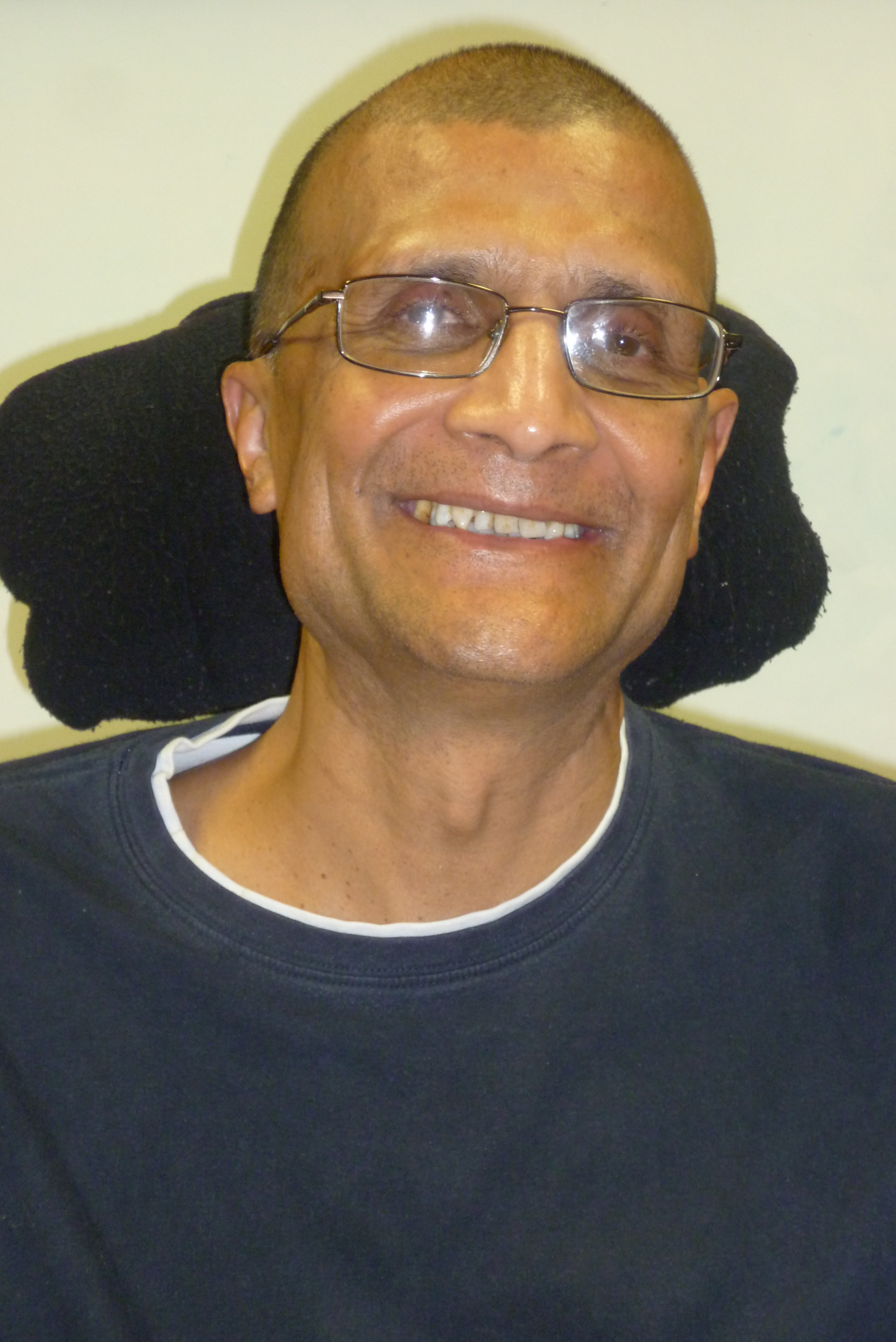
We made our presence felt. People listened to Pradip, not just because he obviously spoke from lived experience but also because of the cogency of what he said. He represented the position of all disabled people in the UK, not just London’s Asian community that APDA specifically supports with it culturally sensitive day care and homecare.
Below is a link to the UN’s TV channel. We particularly recommend the Civil Society Forum where the UK’s recent record on social protection, specifically Universal Credit/impact on women, came in for cogent criticism! Two interesting opinions were put forward by Philip Alston, Special Rapporteur on extreme poverty and human rights, UN Human Rights Council, Professor of Law at New York University: (a) that austerity had become an ideology, and (b) that if you asked a group of misogynists what changes they would like to Universal Credit, they would answer ‘not many’ – worrying thoughts! (You need to go 34 minutes into the video for the keynote address.)